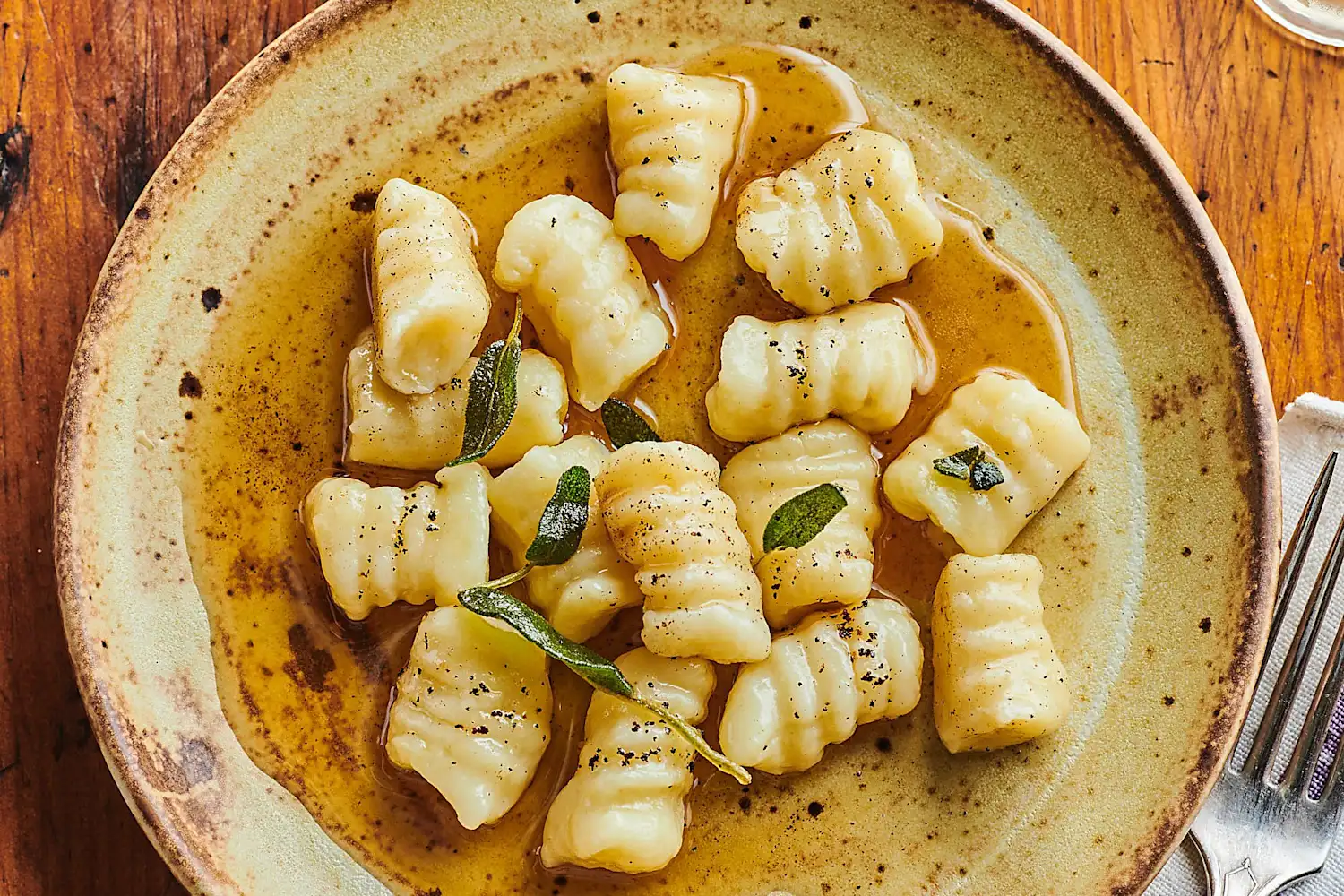
Grits are a beloved Southern dish made from ground corn, known for their creamy texture and comforting flavor. This classic staple has deep roots in Southern cuisine and is enjoyed in various forms, from breakfast to dinner. In this article, we will explore the history of grits, how they are prepared, different variations, and why they remain a cherished comfort food in many households.
What Are Grits?

Grits are made from hominy, which is corn that has been treated with an alkali in a process called nixtamalization. This process enhances the flavor and nutritional value of the corn. The ground corn is then cooked with water or milk to create a smooth and creamy porridge. Grits can be served plain or flavored with a variety of ingredients, making them a versatile dish that pairs well with numerous foods.
The History of Grits
The origins of grits can be traced back to Native American tribes who used corn as a staple food long before European settlers arrived in North America. The word “grits” is derived from the Old English word “grytt,” meaning coarse meal. Over time, grits became a fundamental part of Southern cooking, particularly in the Lowcountry regions of South Carolina and Georgia.
Grits gained popularity among early settlers and were often served as a hearty breakfast or side dish. Today, grits are celebrated as a quintessential Southern dish, often featured in restaurants and homes across the United States.
How to Prepare Grits
Making grits is a straightforward process, and there are several methods to achieve the perfect creamy consistency. Here’s a basic recipe for preparing traditional grits:
Ingredients
- 1 cup of grits (stone-ground or quick-cooking)
- 4 cups of water (or a combination of water and milk for creaminess)
- 1 teaspoon of salt
- 2 tablespoons of butter (optional)
- Cheese (optional, such as cheddar or Parmesan)
Instructions
- Boil Water: In a large pot, bring the water (or water and milk) to a boil. Add the salt to enhance the flavor.
- Add Grits: Gradually whisk in the grits, stirring continuously to prevent lumps from forming.
- Simmer: Reduce the heat to low and let the grits simmer. For stone-ground grits, cook for about 30-40 minutes, stirring occasionally. For quick-cooking grits, follow the package instructions, usually about 5-10 minutes.
- Add Butter and Cheese: Once the grits reach a creamy consistency, stir in the butter and cheese (if using) until melted and well combined.
- Serve: Serve the grits hot as a side dish or base for other toppings, such as shrimp, gravy, or sautéed vegetables.
Variations of Grits
Grits can be customized in numerous ways to suit different tastes and occasions. Here are some popular variations:
1. Cheesy Grits
Adding cheese to grits creates a rich and savory dish. Cheddar, goat cheese, or even cream cheese can be stirred in for added creaminess and flavor.
2. Shrimp and Grits
A classic Southern dish, shrimp and grits features sautéed shrimp served over a bed of creamy grits, often flavored with garlic, lemon, and spices. This dish is a perfect example of how grits can be elevated to a main course.
3. Grits with Gravy
Serving grits with sausage or mushroom gravy is a hearty breakfast option. The rich gravy complements the creamy texture of the grits, creating a comforting meal.
4. Sweet Grits
For a sweeter twist, grits can be prepared with milk, sugar, and cinnamon, making them a delicious breakfast option. Topping sweet grits with fresh fruit or nuts adds extra flavor and texture.
The Comfort of Grits
Grits are often associated with comfort food due to their creamy texture and ability to evoke nostalgia. They are versatile enough to be served at any meal, whether as a side dish, breakfast, or main course. The simplicity of grits allows for endless creativity in the kitchen, making them a favorite among home cooks and chefs alike.
Health Benefits of Grits
- Nutritional Value: Grits are a good source of carbohydrates, providing energy for the body. They also contain some essential vitamins and minerals, including B vitamins and iron.
- Gluten-Free: As a corn-based dish, grits are naturally gluten-free, making them suitable for those with gluten sensitivities or celiac disease.
- Versatile and Filling: Grits can be a filling meal option that pairs well with various toppings, allowing for a balanced diet that includes proteins, vegetables, and healthy fats.
Conclusion
Grits are a creamy, comforting classic that embody the heart and soul of Southern cuisine. With their rich history, simple preparation, and endless variations, grits have secured their place as a beloved dish in many households. Whether enjoyed as a side, a base for savory toppings, or a sweet breakfast option, grits are sure to bring warmth and satisfaction to any meal. Embrace the versatility of grits and explore the many delicious ways to enjoy this timeless dish!